
Early Life
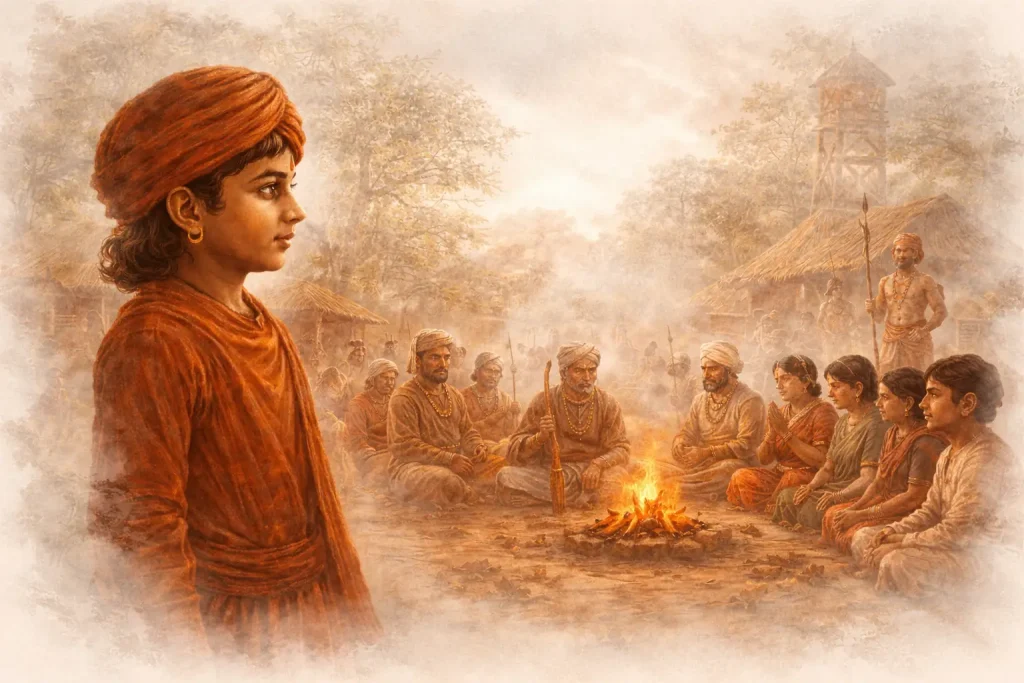
Bhagoji Naik was born in a tribal community in Maharashtra during the early 19th century. He belonged to a society that lived close to forests and natural surroundings, where land, water, and forests were not just resources but part of cultural identity and daily life.
He grew up in a strong traditional environment where tribal customs, unity, courage, and self-governance were deeply respected. From childhood, he observed how elders resolved disputes within the community and protected their land from outside interference. These early experiences shaped his understanding of justice and collective responsibility.
Like many tribal youths of his time, he learned survival skills such as hunting, tracking, forest navigation, and the use of traditional weapons. Physical strength, discipline, and loyalty to the community were important values taught to young boys. These teachings prepared him not only as a warrior but also as a responsible leader.
During his formative years, British colonial expansion began affecting tribal regions through heavy taxation, forest restrictions, and interference in local governance. Seeing the suffering of his people and the loss of their traditional rights deeply influenced Bhagoji Naik. These experiences gradually shaped his determination to resist injustice and defend his community’s freedom.
Warrior & Leadership Background
Traditional Warrior Training
Bhagoji Naik was born in a tribal community in Maharashtra during the early 19th century. He belonged to a society that lived close to forests and natural surroundings, where land, water, and forests were not just resources but part of cultural identity and daily life.
He grew up in a strong traditional environment where tribal customs, unity, courage, and self-governance were deeply respected. From childhood, he observed how elders resolved disputes within the community and protected their land from outside interference. These early experiences shaped his understanding of justice and collective responsibility.
Like many tribal youths of his time, he learned survival skills such as hunting, tracking, forest navigation, and the use of traditional weapons. Physical strength, discipline, and loyalty to the community were important values taught to young boys. These teachings prepared him not only as a warrior but also as a responsible leader.
During his formative years, British colonial expansion began affecting tribal regions through heavy taxation, forest restrictions, and interference in local governance. Seeing the suffering of his people and the loss of their traditional rights deeply influenced Bhagoji Naik. These experiences gradually shaped his determination to resist injustice and defend his community’s freedom.
Emergence as a Community Leader
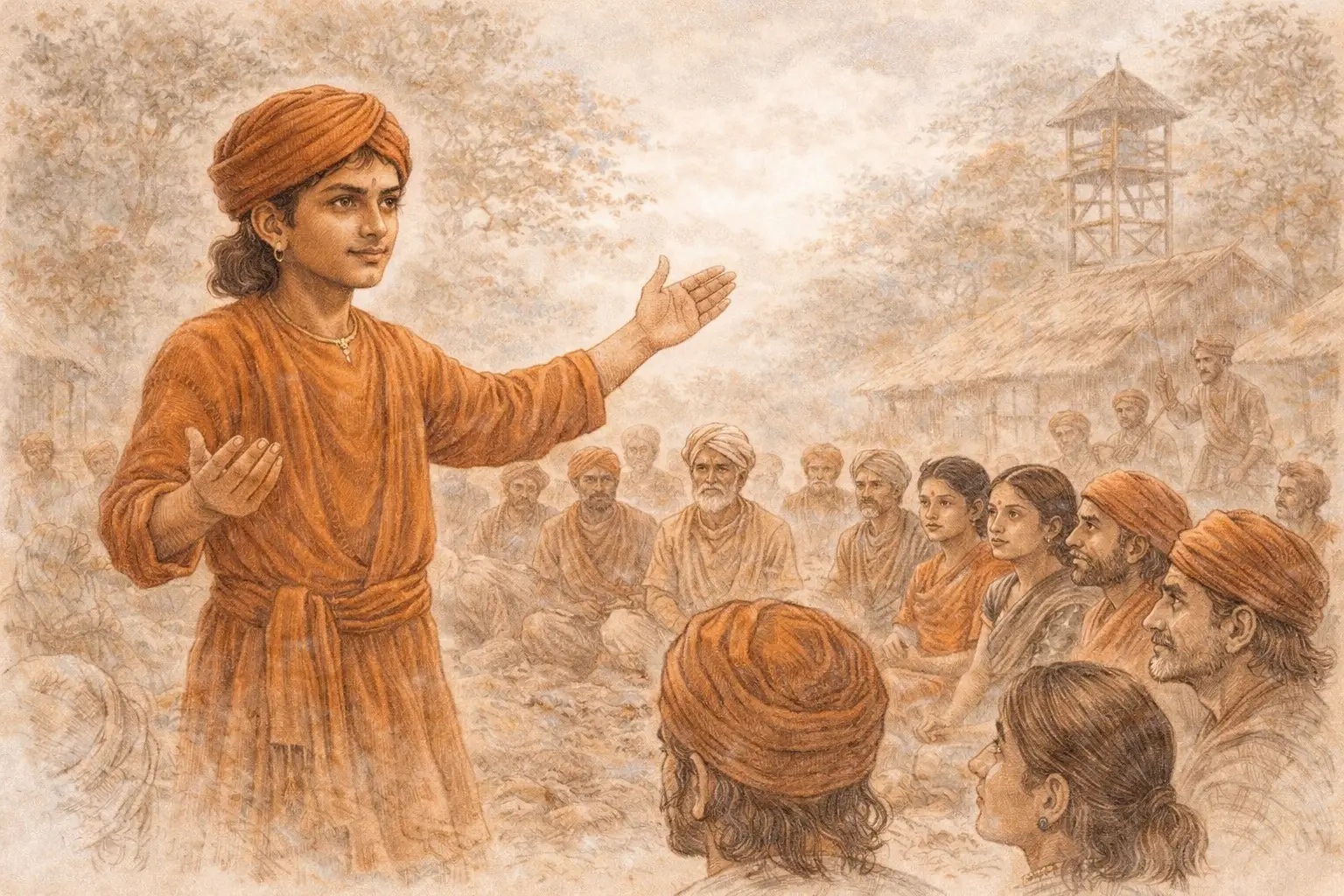
Beyond physical strength, Bhagoji Naik developed exceptional leadership qualities that set him apart within his community. He was widely respected not only for his bravery in battle but also for his calm judgment, strategic thinking, and deep sense of responsibility toward his people.
As British interference increased in tribal regions, many communities felt uncertainty and fear. During this difficult period, Bhagoji Naik emerged as a guiding force. He had the rare ability to unite different tribal groups under a shared vision of resistance and self-respect.
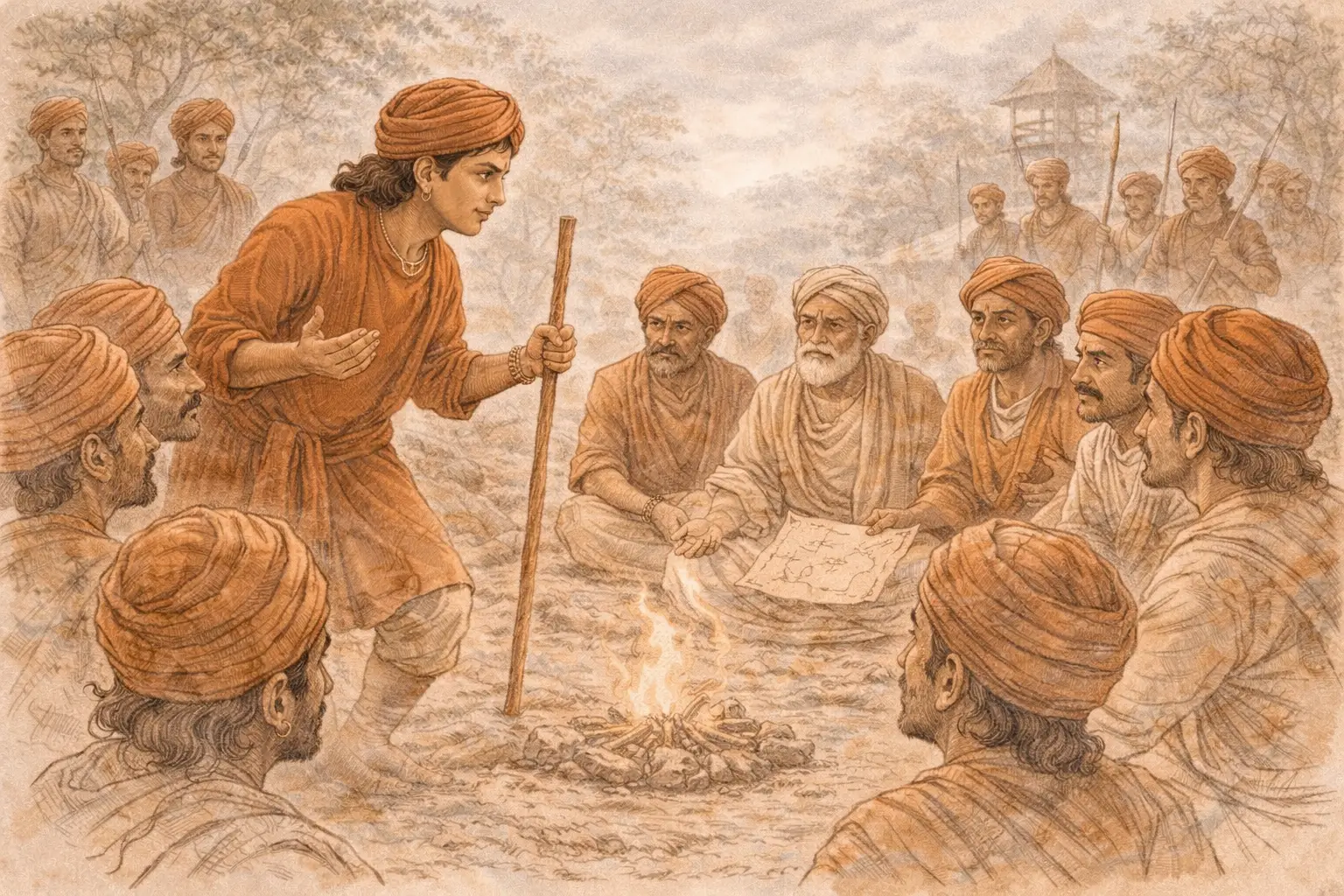
He emphasized unity, discipline, and organized resistance. Instead of acting impulsively, he believed in careful planning and collective decision-making. He listened to elders, respected traditional governance systems, and ensured that every action reflected the community’s values and cultural identity.
His leadership was not based merely on authority or physical power. It was built on trust, integrity, and personal sacrifice. Through courage and wisdom, he transformed fear into determination and strengthened tribal unity in defending land, culture, and dignity.